
Frequently Asked Questions
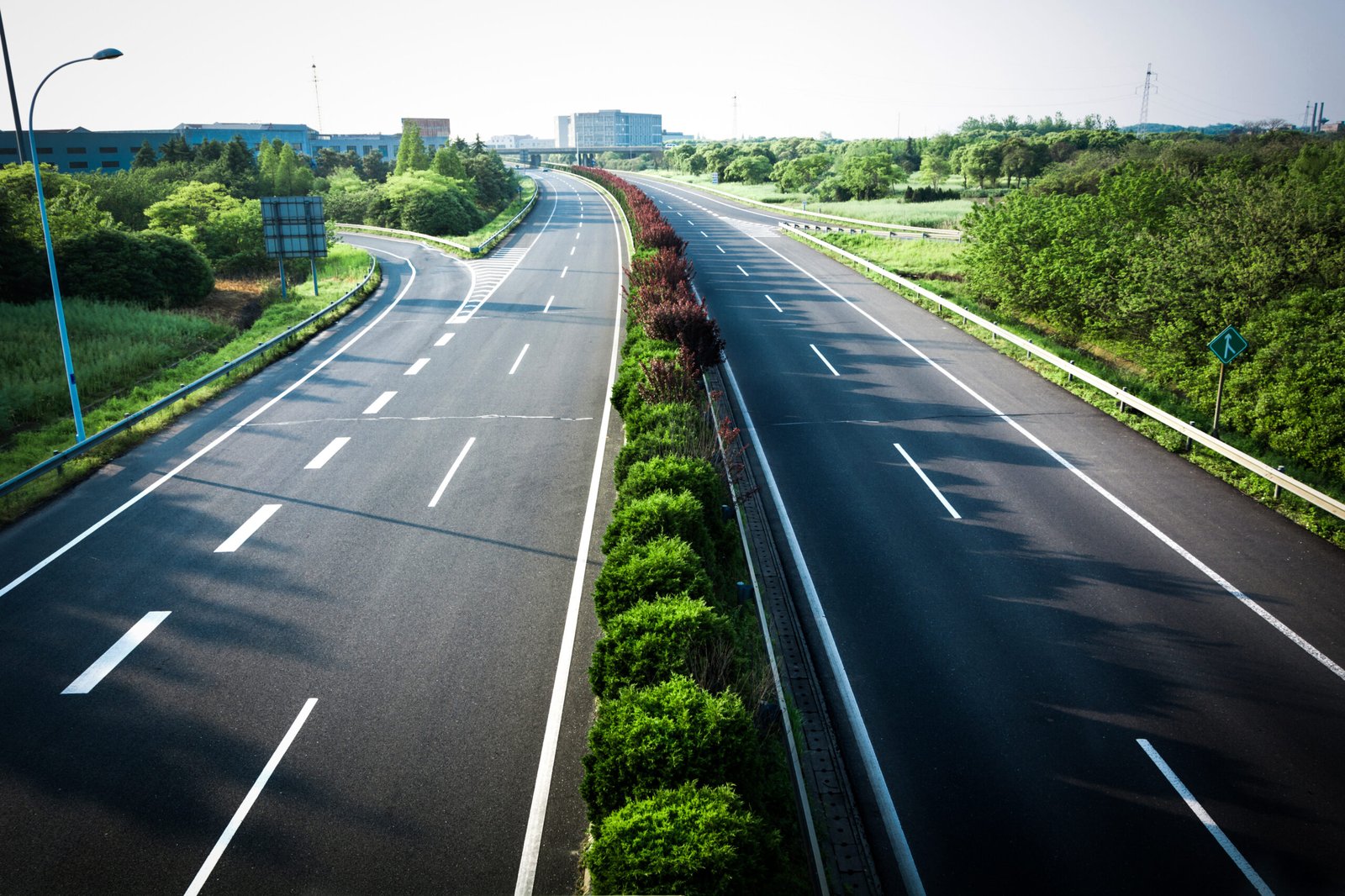
A road divider is a physical barrier placed between lanes of traffic moving in opposite directions. Its primary purpose is to separate traffic flow, reduce the risk of head-on collisions, and improve road safety.
Road dividers can be made from a variety of materials, including:
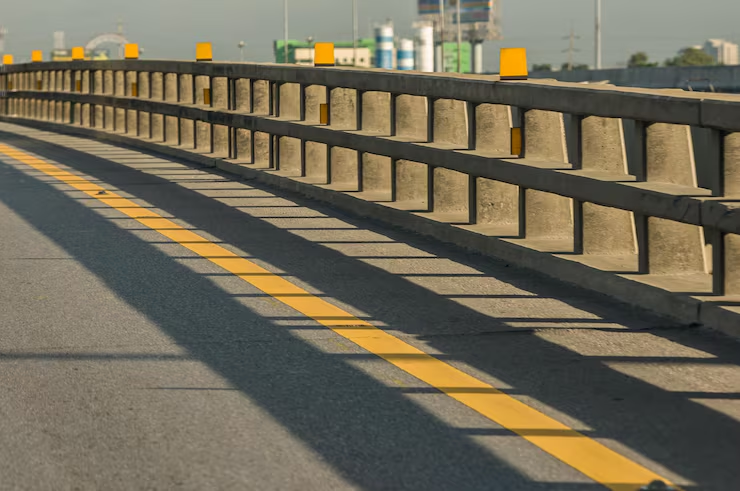
Concrete (most common for highways)
Plastic (lightweight and movable)
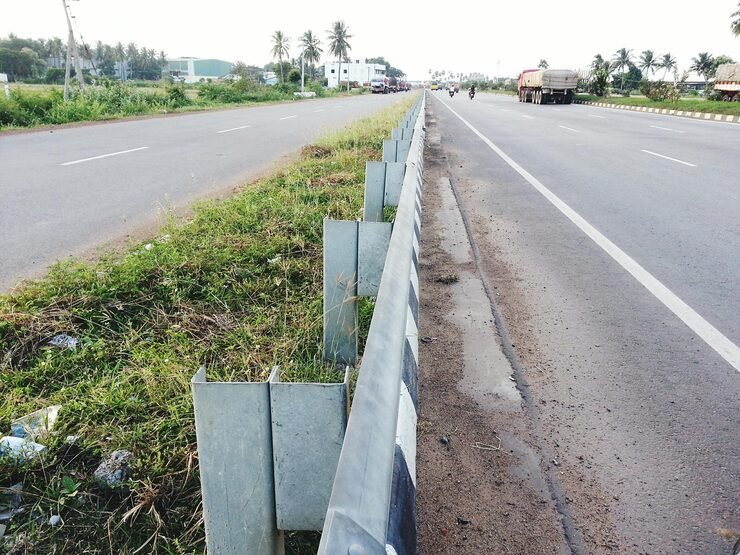
Metal (guardrails or fencing)
Green dividers (planted with shrubs or grass for aesthetic and environmental benefits)
Road dividers are typically used on:
Highways and expressways
Urban main roads
Busy intersections
School zones and market areas
They are installed wherever traffic separation is necessary for safety and traffic management.
Yes, road dividers significantly reduce the chances of head-on and side collisions by preventing vehicles from entering the wrong lane or overtaking in unsafe zones. They also help regulate traffic flow.
Temporary dividers, like plastic or rubber ones, can be moved or rearranged for events or construction. Permanent dividers, such as concrete barriers, require heavy equipment to modify or remove.
While safety is the primary function, dividers can also serve aesthetic and functional roles. Some include street lighting, advertising boards, or landscaping elements that beautify urban spaces and promote environmental benefits.