Frequently Asked Questions
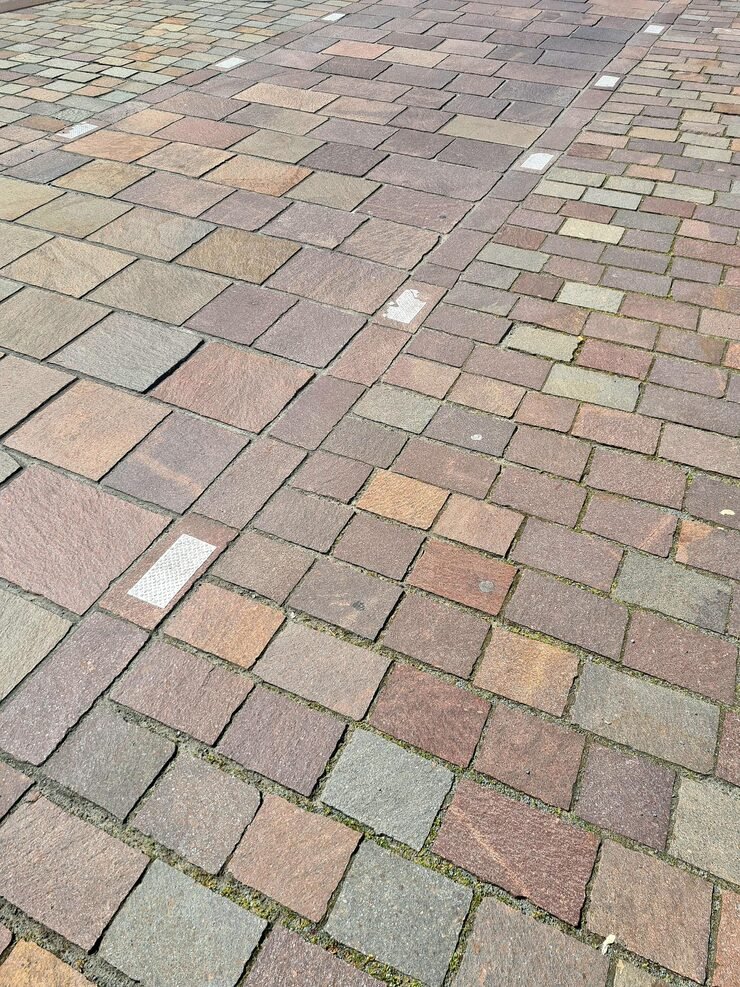
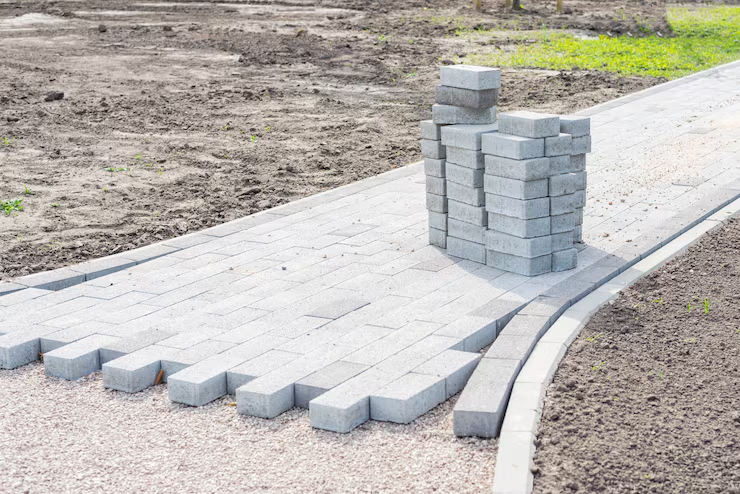
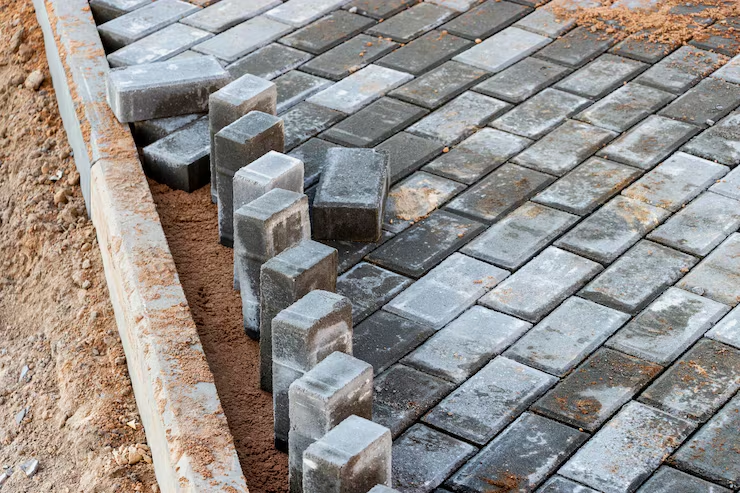
Paving blocks are typically made from concrete, clay, or natural stone. Concrete is the most common due to its strength, affordability, and versatility in design and color options.
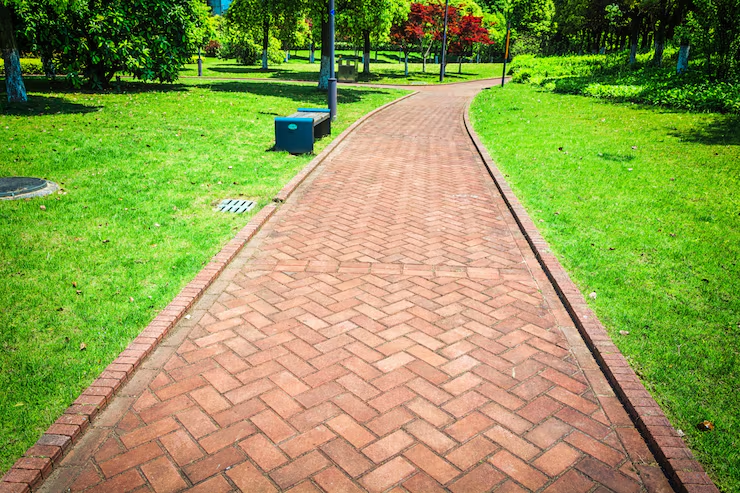
They are widely used in driveways, walkways, patios, parking areas, garden paths, and public plazas. Their durability and decorative appearance make them suitable for both residential and commercial applications.
Durable and long-lasting
Easy to install and repair
Slip-resistant and weather-resistant
Aesthetic variety in colors, shapes, and patterns
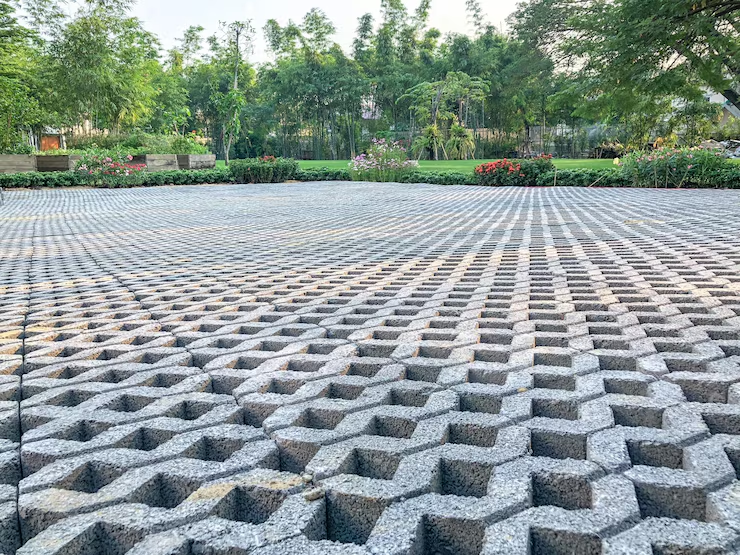
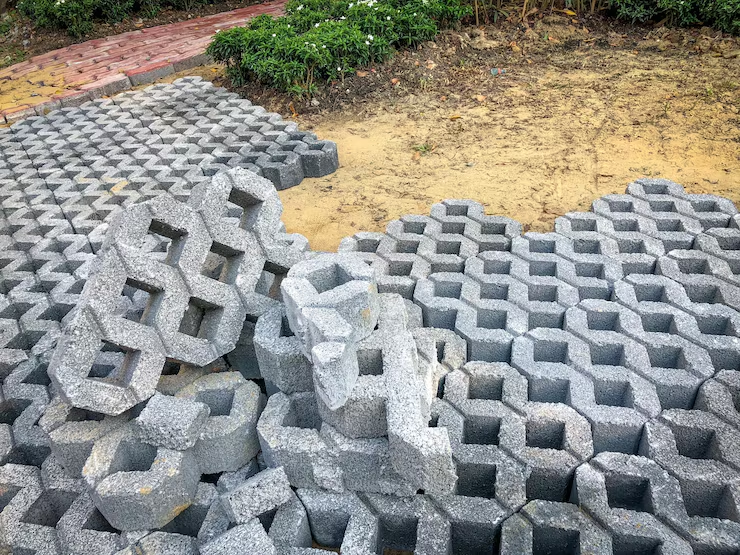
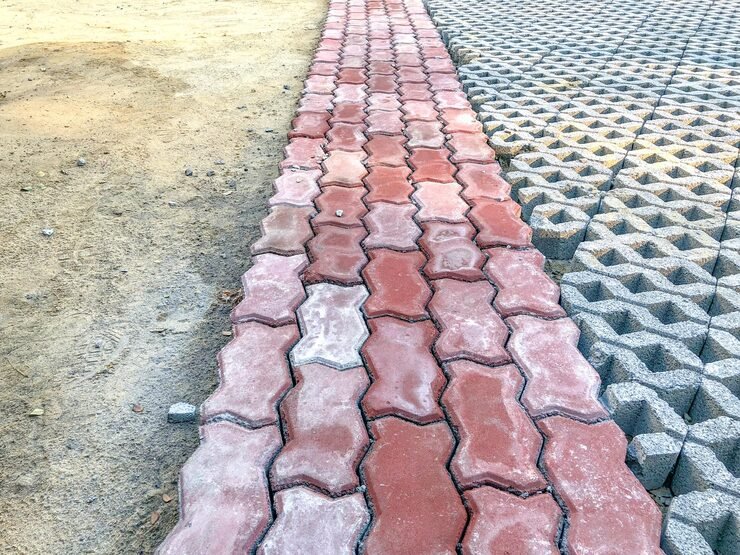
Eco-friendly (permeable types allow water drainage)
Yes, paving blocks require minimal maintenance. Regular cleaning and occasional re-sanding of joints are usually enough. Damaged or stained blocks can be replaced individually without redoing the entire surface.
Yes, high-quality paving blocks are designed to handle heavy traffic and vehicle loads, especially those used in driveways and industrial areas. Thicker blocks are typically used for areas with higher load requirements.
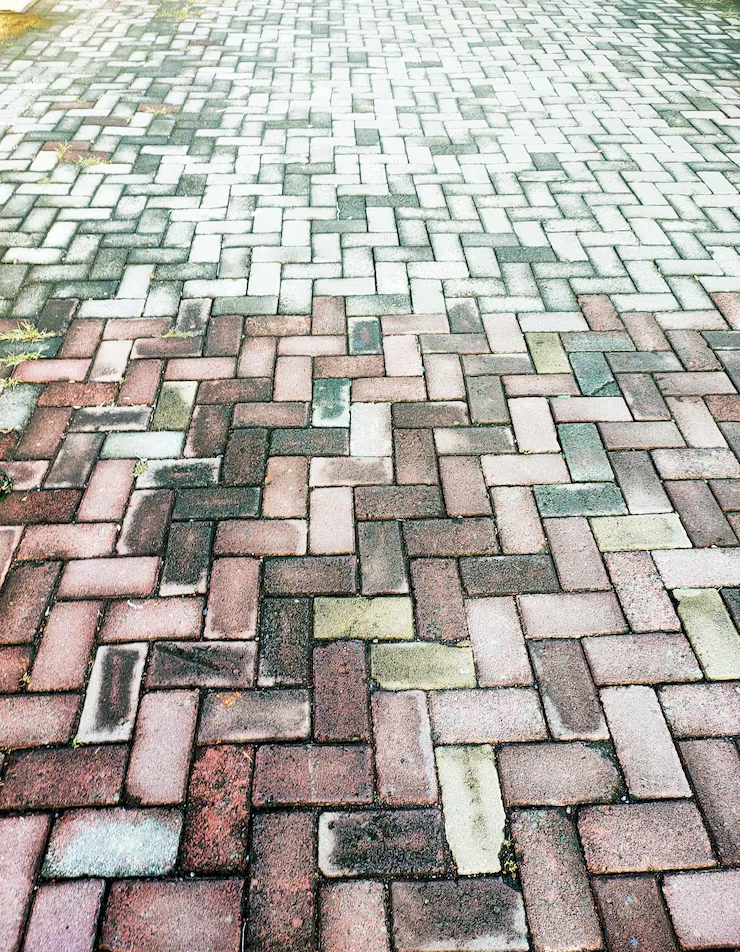
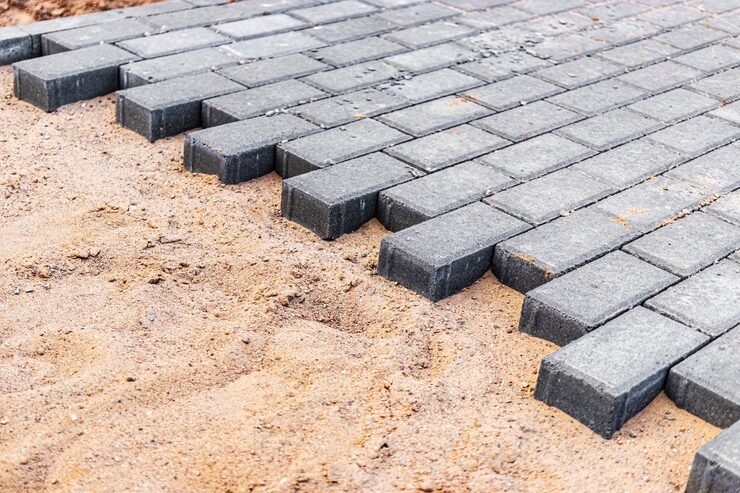
Yes, popular patterns include:
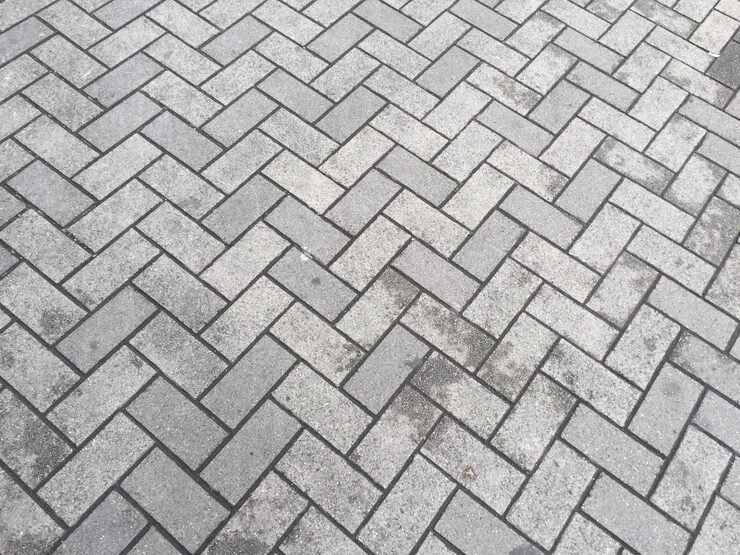
Herringbone (very strong and interlocking)
Basketweave
Stretcher bond
Circular or radial designs
These patterns not only affect the appearance but also the structural strength of the surface.