
Frequently Asked Questions
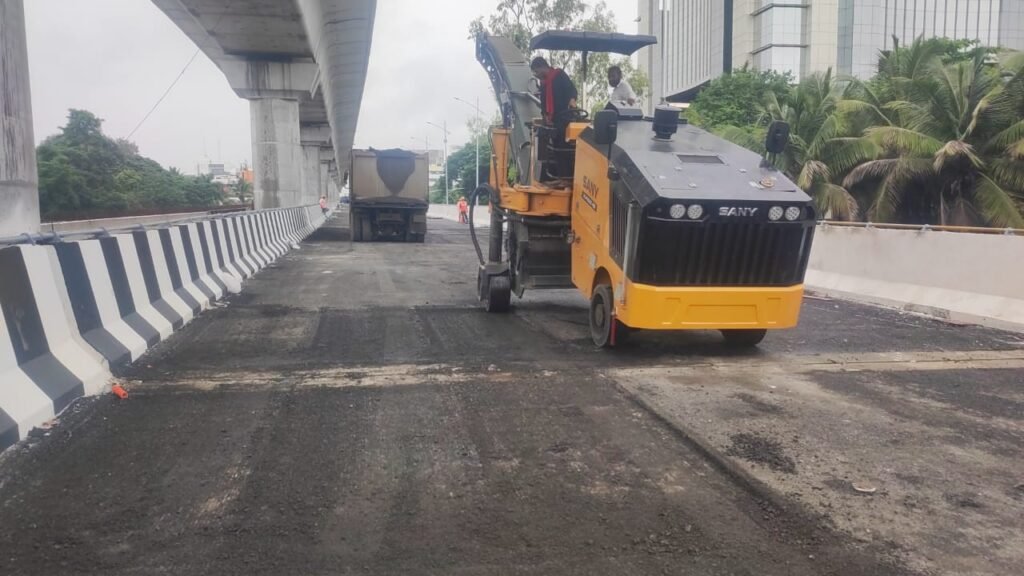
Milling works involve removing a specific depth of the existing road surface using a milling machine. This prepares the road for resurfacing or reconstruction by eliminating damaged layers and ensuring a smooth base for new asphalt or concrete.
Milling ensures proper leveling, removes surface irregularities, and helps new pavement adhere better. It also restores drainage flow and eliminates issues like rutting or cracks that could affect the new surface.
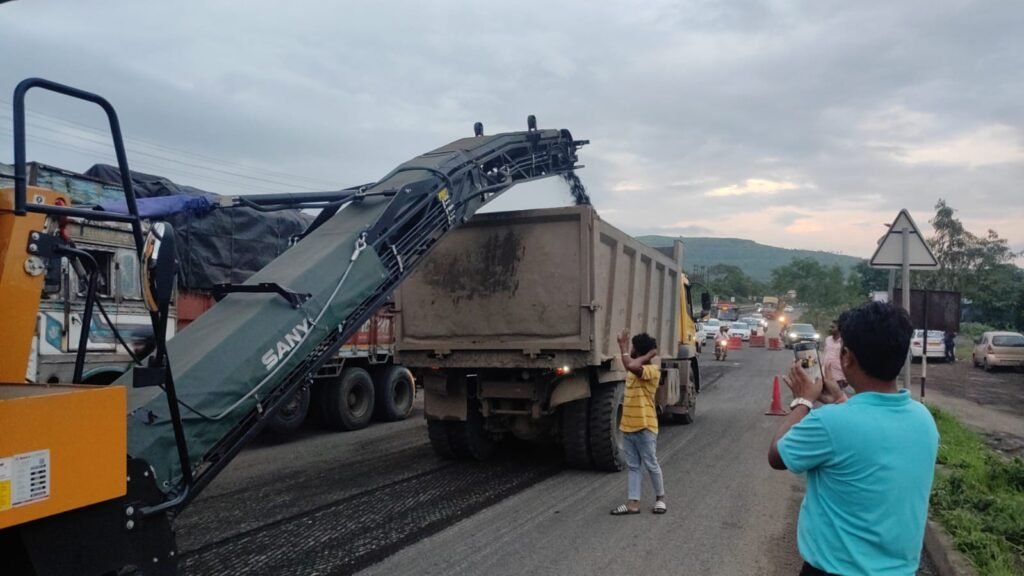
The milled material, often called reclaimed asphalt pavement (RAP), is usually collected and recycled. It can be reused in new asphalt mixes or as a base layer in future road construction, making milling environmentally friendly.
The milling depth can vary depending on the condition of the road and the project requirements. It may range from a few millimeters (surface milling) to several centimeters (full-depth milling) for complete removal.
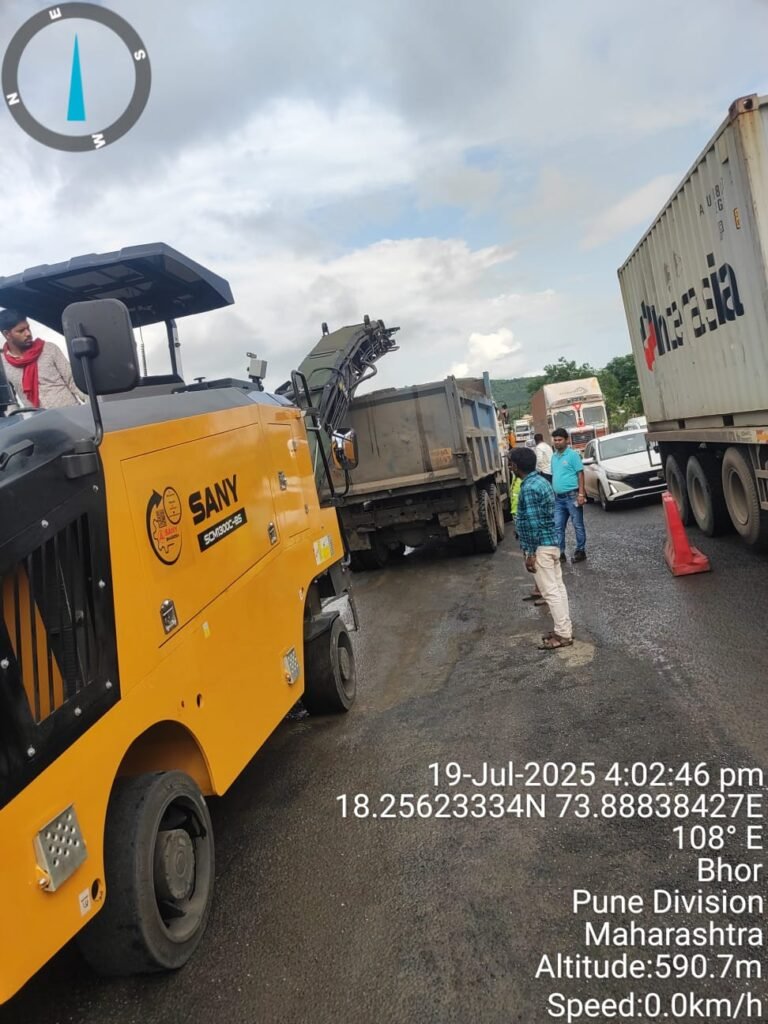
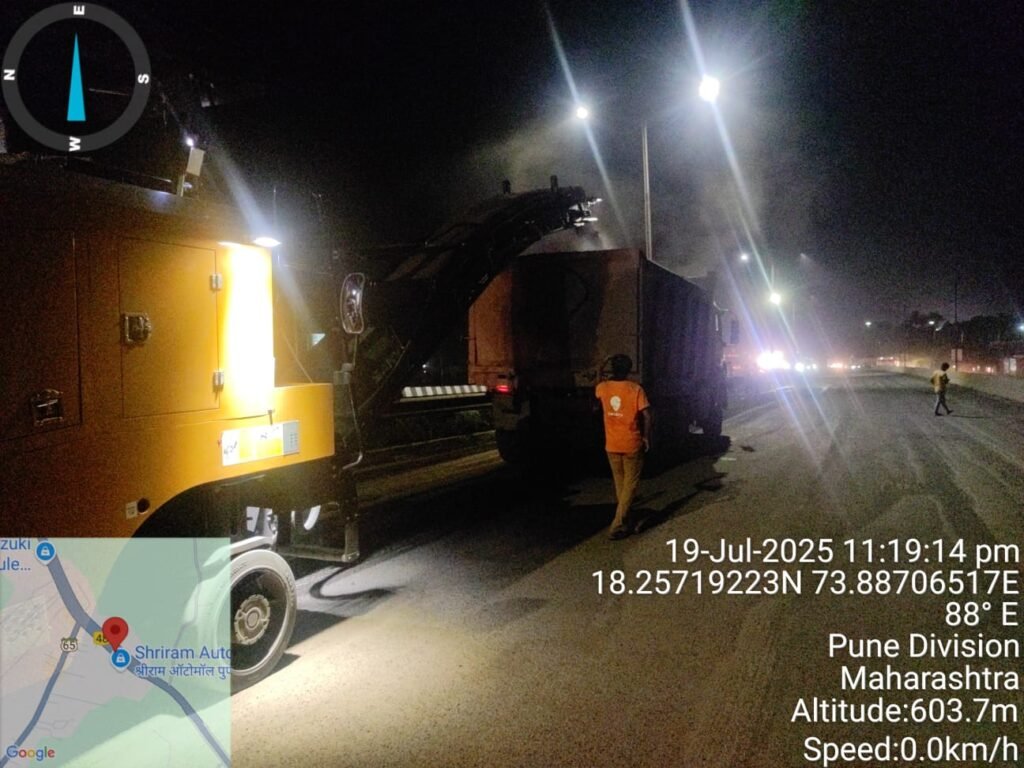
Yes, milling can cause temporary traffic disruptions. However, most milling projects are planned in stages or conducted at night to minimize the impact on traffic flow and ensure public safety.
A cold milling machine is typically used. It features a rotating drum fitted with cutting tools that grind and remove the road surface. The machine may also have a conveyor belt system to load the removed material into trucks for recycling.