


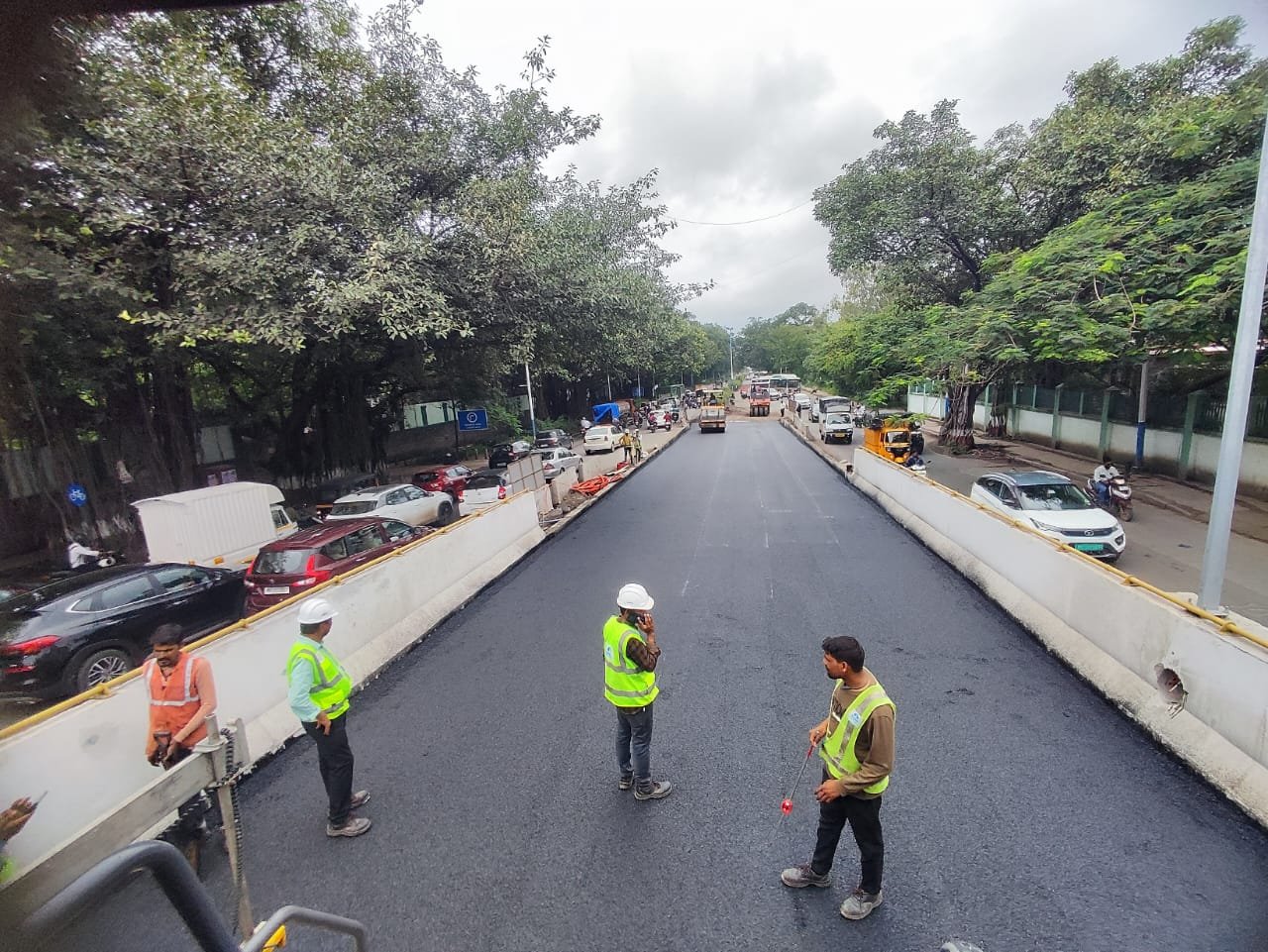

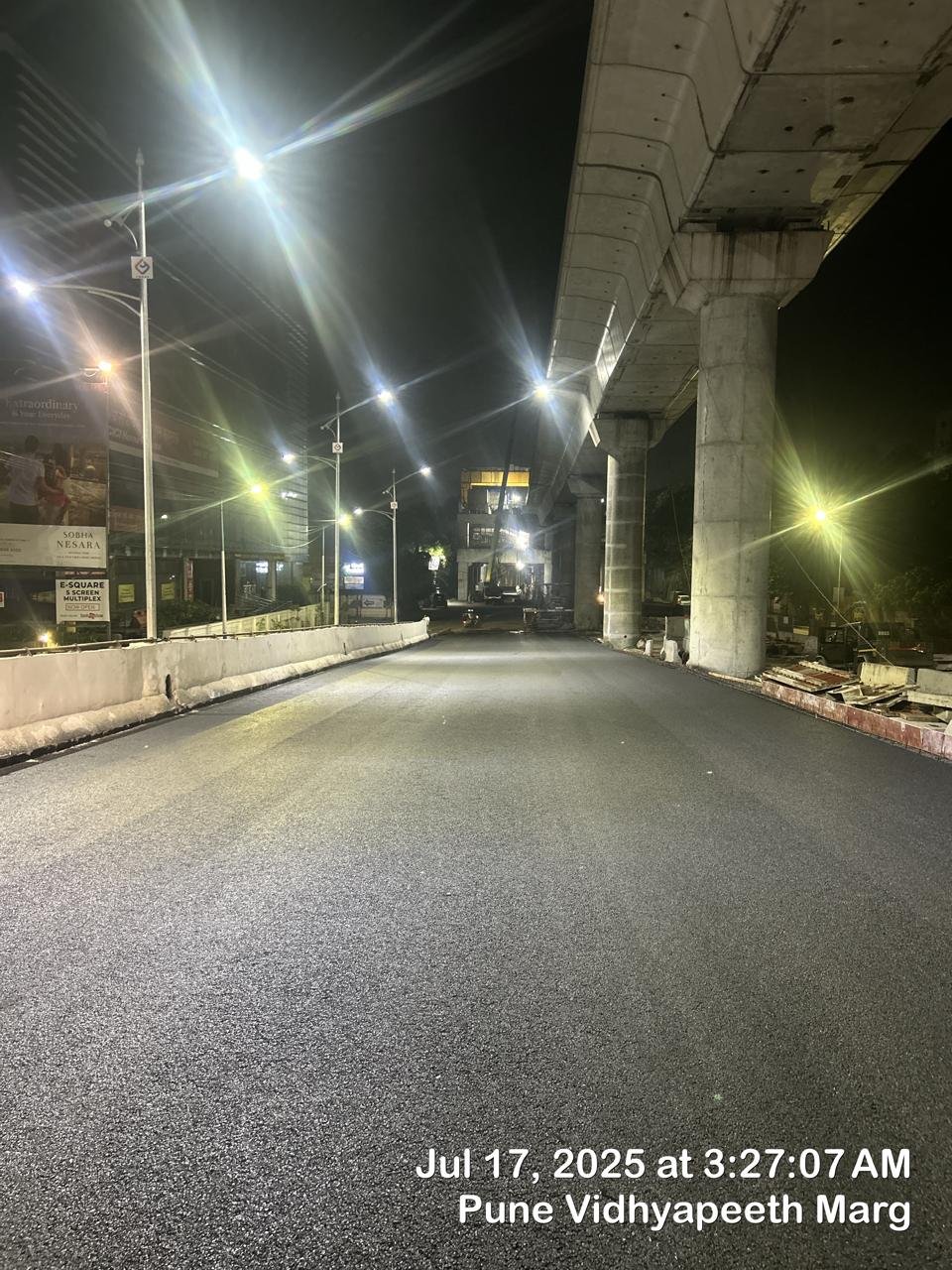
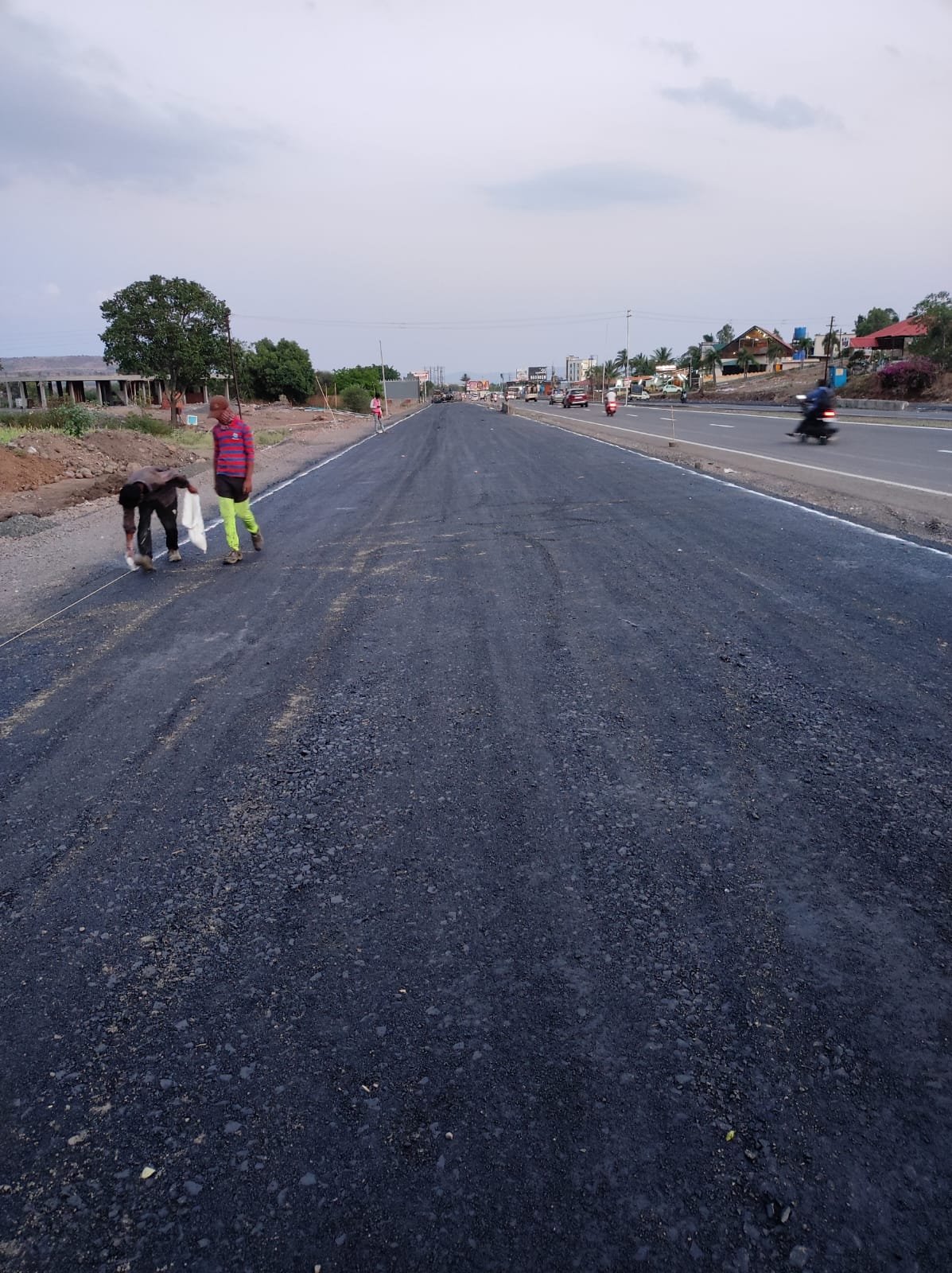

Yes, bitumen roads are versatile and can be used in a wide range of climates, from hot desert environments to cold, wet areas. However, in extremely hot regions, modifications may be necessary to prevent the bitumen from softening, while colder regions may require adjustments to ensure the road remains crack-free in freezing conditions.
Frequently Asked Questions
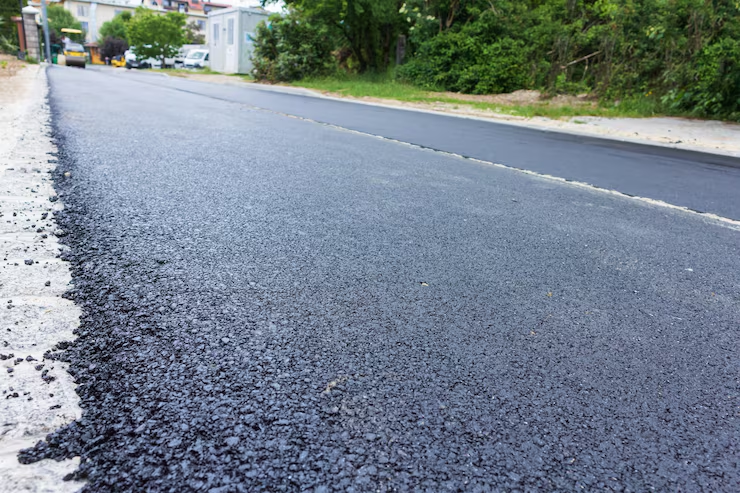
Bitumen is a sticky, black, tar-like substance obtained from crude oil. It’s used in road construction due to its waterproof, adhesive, and durable properties. When mixed with aggregates (such as sand, gravel, or crushed stone), bitumen creates a strong and smooth surface that can withstand heavy traffic and harsh weather conditions.
Bitumen roads typically last between 10 to 20 years, depending on factors like traffic volume, weather conditions, and the quality of materials used. Regular maintenance such as resurfacing can help extend the lifespan of bitumen roads
While bitumen itself is derived from petroleum, which is a non-renewable resource, modern techniques are improving its environmental footprint. Recycled materials, including old bitumen, are often used in new road construction, reducing the demand for fresh resources and helping minimize waste.
Regular maintenance includes pothole repairs, crack filling, and resurfacing. Over time, the surface may need to be repaved or sealed to maintain its integrity and smoothness, especially in areas with extreme weather.
Bitumen roads offer several benefits, such as durability, a smooth driving surface, and resistance to water damage. They are also relatively cost-effective compared to other materials like concrete and are quicker to construct and repair.